Blog Artifical Intelligence
AI Development Platform: What to Look For in 2026


What to Look for in an AI Development Platform in 2026
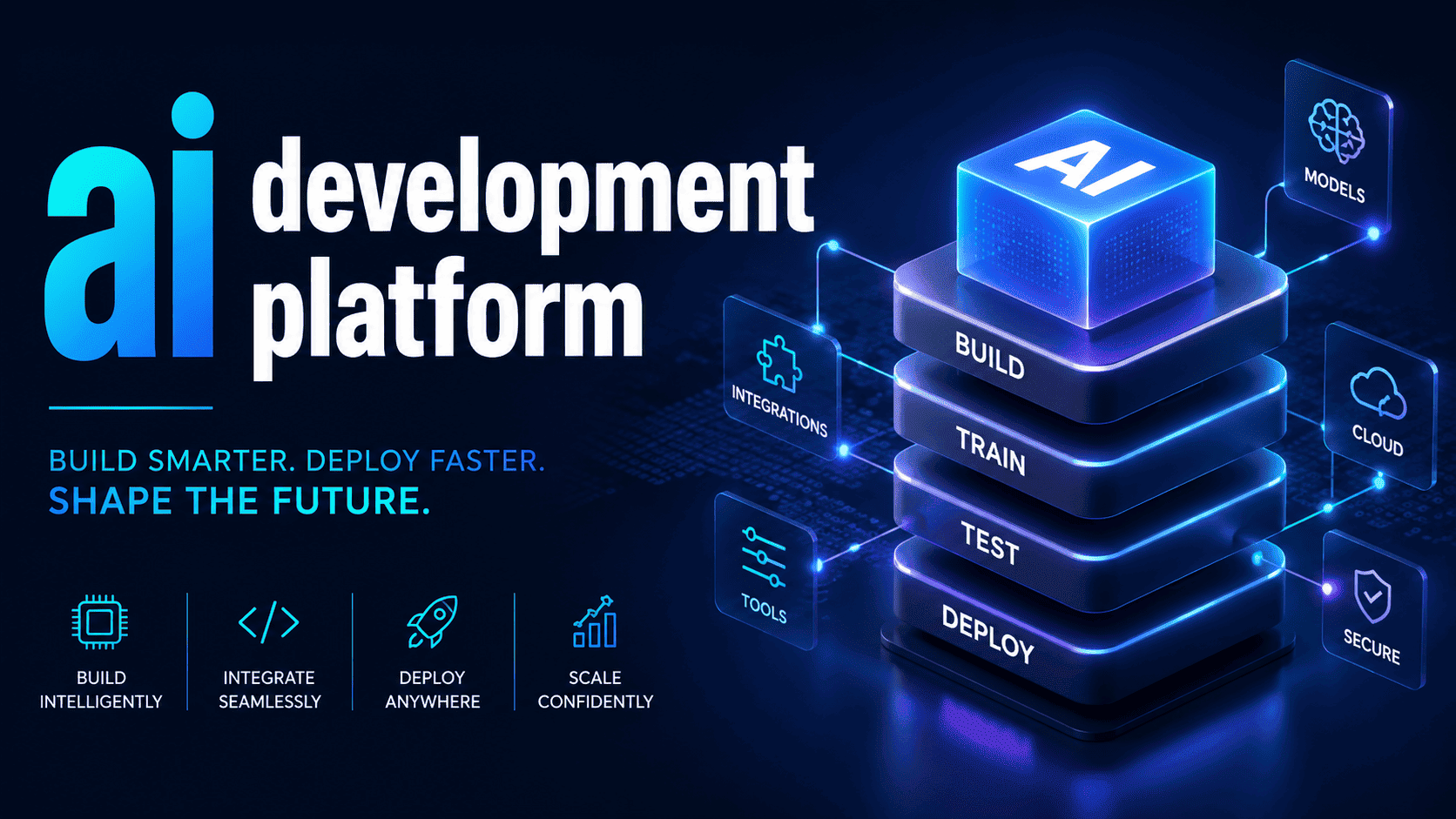
Building intelligent software no longer means stitching together a dozen disconnected tools. A modern ai development platform brings model access, orchestration, deployment, and monitoring into one workflow -so teams ship faster and spend far less time wrestling with infrastructure.
If you're evaluating an ai development platform this year, focus on the signals that separate production-ready tools from flashy demos.
1. Unified model access. The strongest platforms let you swap between foundation models without rewriting code, so you're never locked into a single provider or pricing model.
2. Built-in orchestration. Look for visual or code-first workflows that chain prompts, tools, and data sources together. This is where raw model calls turn into real applications.
3. Deployment and scaling. A capable ai development platform handles hosting, versioning, and autoscaling -letting you move from prototype to production without spinning up a separate DevOps project.
4. Observability. You can't improve what you can't measure. Logging, evaluation, and cost tracking should be native, not bolted on afterward.
5. Governance and security. For any serious use case, access controls, data privacy, and audit trails are non-negotiable.
The gap between a hobby project and a reliable product usually comes down to the platform underneath it. Choosing the right foundation early saves months of painful rework later.
Teams that pick a flexible, well-instrumented ai development platform can iterate on ideas in hours instead of weeks -turning experiments into shipped features, and features into measurable business value.
Want a deeper breakdown of features, pricing, and real-world workflows? Explore the full AI Development Platform Guide 2026 for a complete comparison and setup walkthrough.
Form your durable team with us

Services
- Dedicated Remote Developers
- MVP Development
- Product Development
- Custom Software Development
- Digital Product Designing
- Support & Maintainance
- Integration Services
- Mobile Development
- Digital Marketing
- Bespoke Website Design
- Data Migration
- IT Consulting Services
- Zoho CRM Consultant
- WhatsApp Business Solutions
- AI Agents Development
Mobile App Development
Digital Marketing
Company
Web Development
Solutions
- Artificial Intelligence
- e-Commerce Software Development
- e-Learning Software Development
- ERP Software Development
- Inventory Management Software
- Point of Sale
- Restaurant Software Development
- Custom Software Development
- Custom CRM Software
- Live Conferencing
- HR Management
- Amazon Inventory Management
- Booking Scheduling System
- ChatGPT Integration Service
- Custom Billing Software
- Chat Application Development
- Talent Management System
- Labour Management System
- Custom Pharmacy Management Software
- eBay Inventory Management
- Retail Software Development Company
- LMS Development Solutions
- Warehouse Management Software
- Financial Software Development
- Healthcare CRM Software Development
- Medical Inventory Software
- Medical Billing Software Development
- Health Insurance Software
- Hospital Inventory Management
- View All Solutions